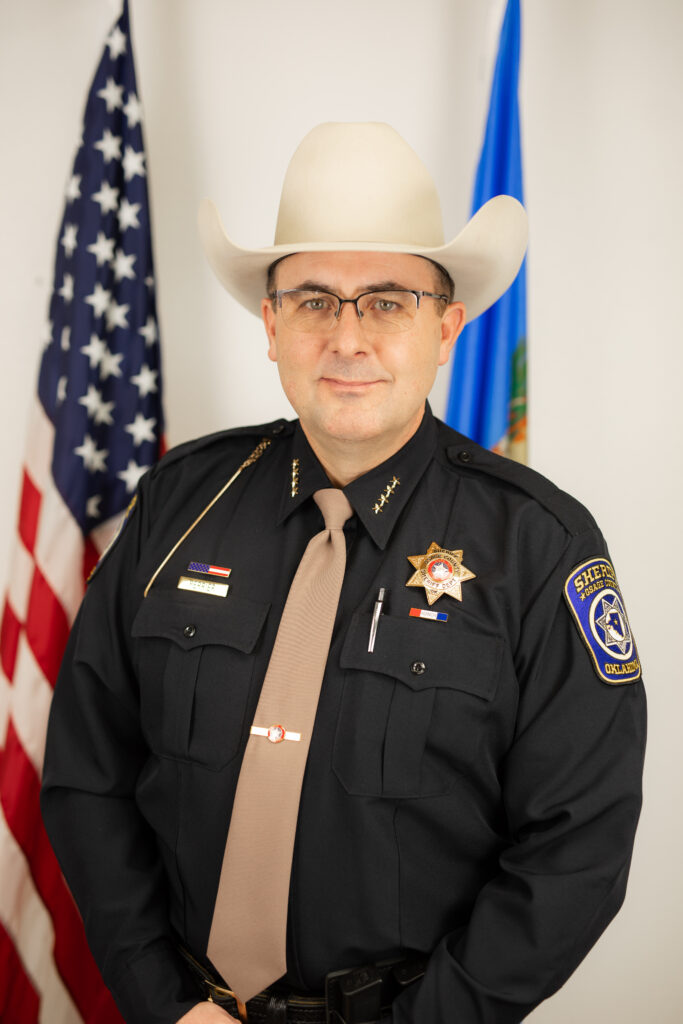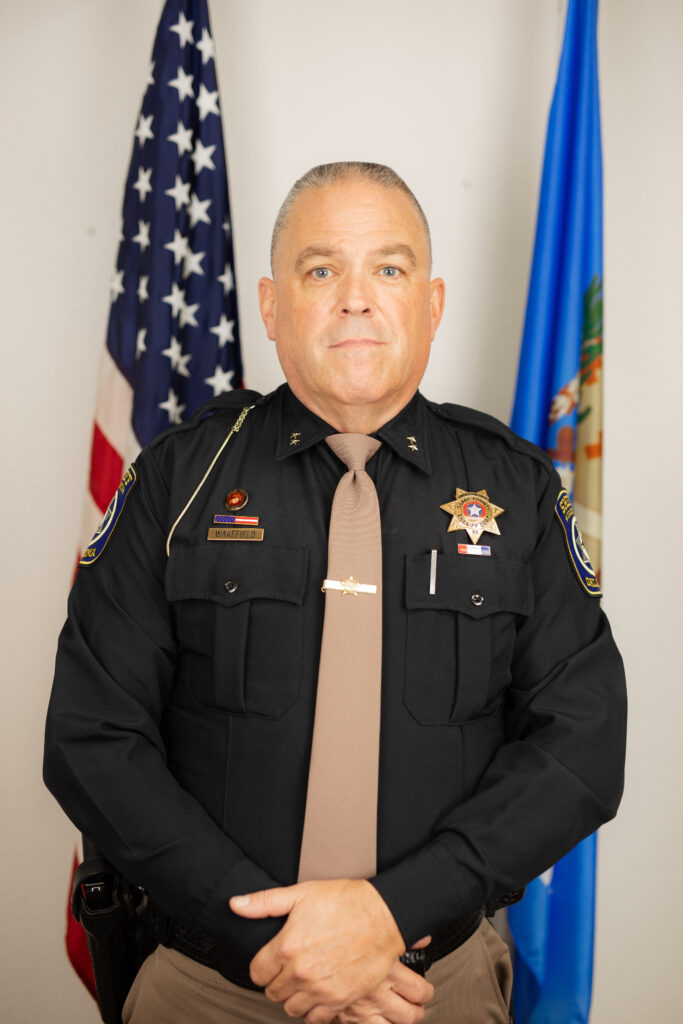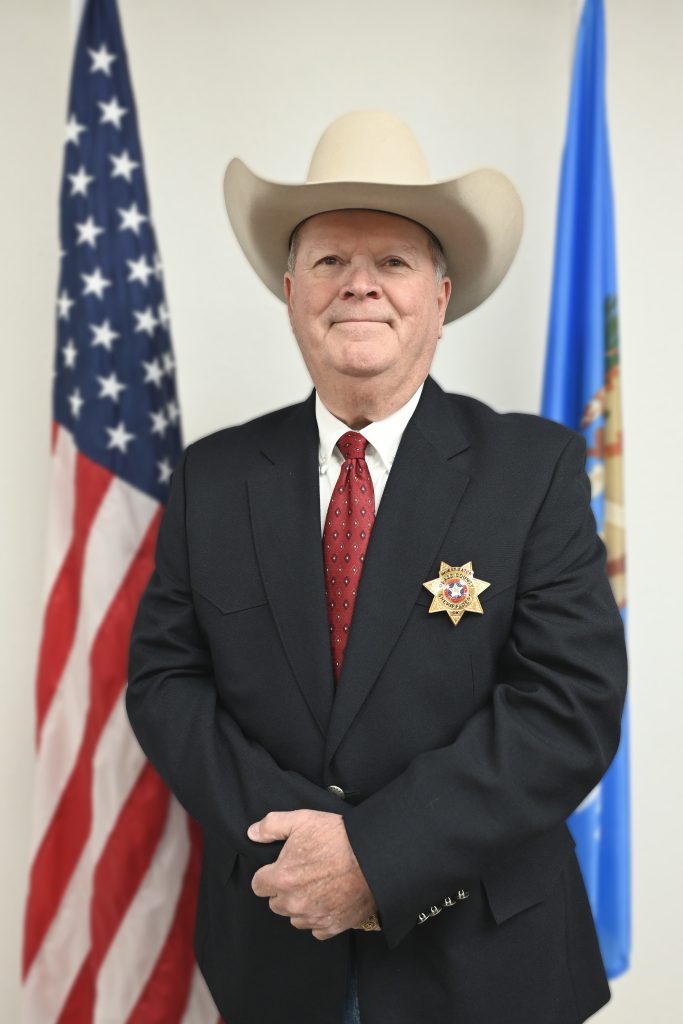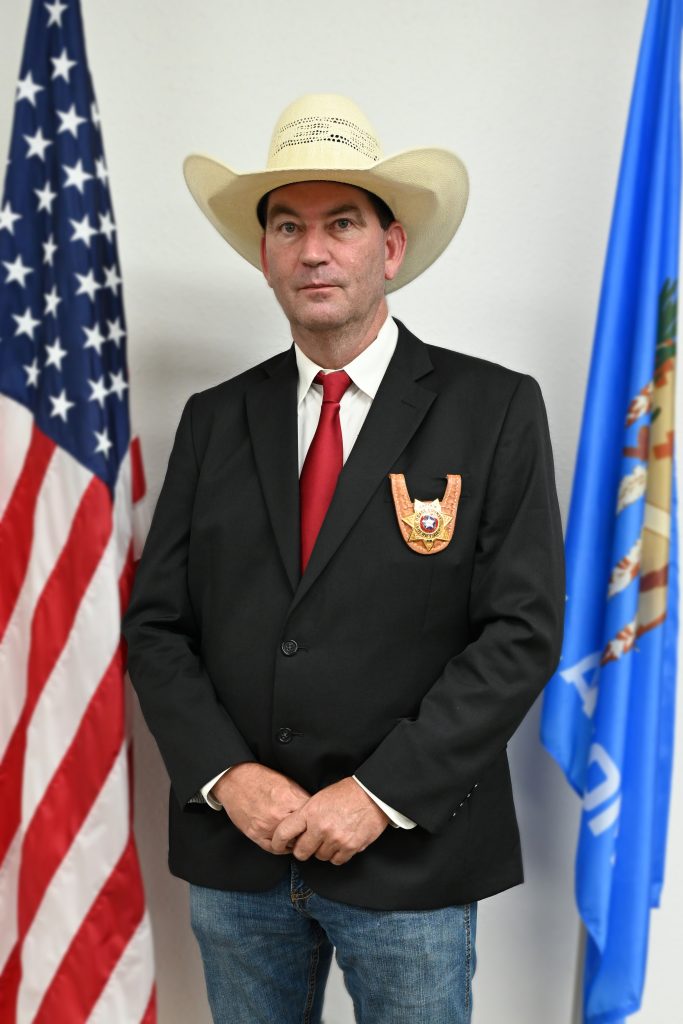

Welcome To Osage County
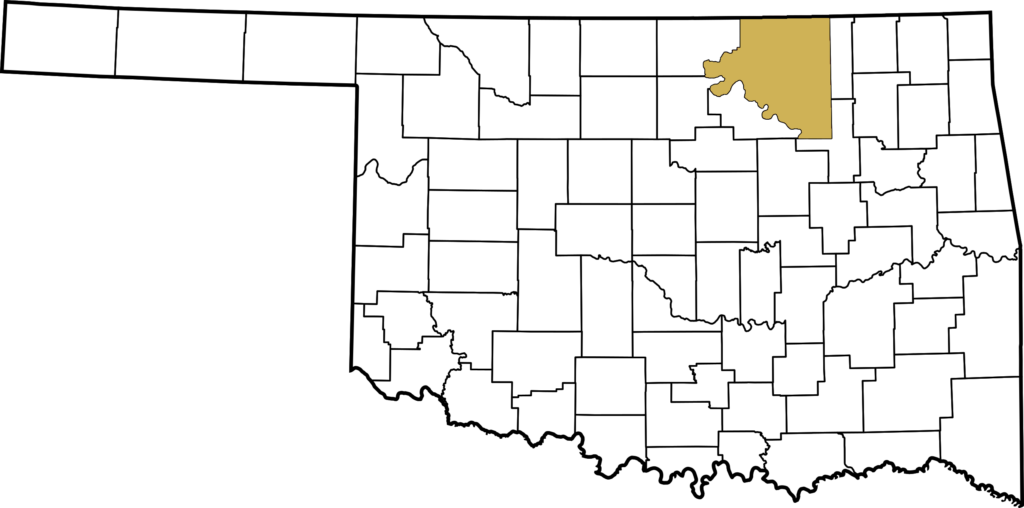
Oklahoma’s Largest County
At the Osage County Sheriff’s Office, our mission is to provide a solid foundation on which the residents of Osage County can thrive. We are committed to building public trust and fostering safe, secure communities through professional, high-quality professional law enforcement.
Osage County holds a unique place in Oklahoma’s history and geography. As the state’s largest county by area, it was established in 1907 when Oklahoma gained statehood. The county’s name and heritage are deeply tied to the federally recognized Osage Nation, whose reservation boundaries are coextensive with the county itself. This land became the Osage Nation Reservation in the 19th century following the relocation of the Osage people from Kansas.
The county seat, Pawhuska, is one of the first three towns founded in the county and remains a hub of history and culture. As of the 2020 Census, Osage County had a population of 45,818 residents.
According to the U.S. Census Bureau, the county spans an impressive 2,304 square miles (5,970 km²), with 2,246 square miles (5,820 km²) of land and 58 square miles (150 km²) of water, accounting for 2.5% of its total area. Much of the landscape is part of the Osage Plains, characterized by open prairie, while the eastern portion features the rolling Osage Hills—an extension of Kansas’ Flint Hills. Nature enthusiasts can also explore the renowned Tallgrass Prairie Preserve, located just north of Pawhuska, where remnants of the once-vast tallgrass ecosystem are carefully preserved.
WHAT’S HAPPENING LOCALLY
🎉 Congratulations to Investigator Sam Cornett! 🎉
The Osage County Sheriff’s Office is proud to recognize Investigator Sam Cornett for being named Grand Mental Health’s Officer of the Year.
This award highlights Investigator Cornett’s outstanding commitment to serving our community with compassion, professionalism, and dedication—especially when working with individuals experiencing mental health crises. Her ability to approach difficult situations with patience, understanding, and care makes a meaningful difference in the lives of those she serves.
Investigator Cornett consistently goes above and beyond the call of duty to ensure the safety and well-being of our community. Her efforts strengthen the partnership between law enforcement and mental health professionals and reflect the very best of the Osage County Sheriff’s Office.
Please join us in congratulating Investigator Cornett on this well-deserved recognition! 👏
#OsageCounty #CommunityFirst #MentalHealthAwareness #LawEnforcementExcellence
44 CommentsComment on Facebook


𝗧𝗵𝗲 𝗟𝗮𝘄𝗺𝗮𝗻 𝗟𝗲𝗴𝗮𝗰𝘆 𝗼𝗳 𝗦𝗵𝗲𝗿𝗶𝗳𝗳 𝗥.𝗕. “𝗗𝗶𝗰𝗸” 𝗖𝗼𝗻𝗻𝗲𝗿
In the rolling prairies of Osage County—where outlaws once ruled the roads and oil money fueled both prosperity and peril—a quiet yet formidable figure rose through the ranks of Oklahoma law enforcement. R.B. “Dick” Conner, born in the closing years of the 19th century, would become a steady hand during some of the state’s most turbulent decades, leaving behind a legacy that still carries his name today.
𝗢𝘀𝗮𝗴𝗲 𝗖𝗼𝘂𝗻𝘁𝘆 𝗦𝗵𝗲𝗿𝗶𝗳𝗳: 𝗛𝗼𝗹𝗱𝗶𝗻𝗴 𝘁𝗵𝗲 𝗟𝗶𝗻𝗲
Conner’s law-enforcement career took firm shape in 1932 when he was elected Sheriff of Osage County. The county was still navigating the long shadow of the Osage Reign of Terror, the oil-boom excesses of the 1920s, and the political aftershocks that followed. Wearing the badge in Osage County during this era required more than authority it demanded restraint, judgment, and resilience.
Sheriff Conner became known for exactly that. He was not a headline-seeker or a flamboyant lawman. Instead, he projected calm resolve, earning trust across a county that had seen too much corruption and violence in the years before. His leadership emphasized consistency and fairness—traits that would soon be tested at the ballot box.
𝗛𝗮𝗿𝗱 𝗥𝗮𝗰𝗲𝘀 𝗶𝗻 𝘁𝗵𝗲 𝗖𝗼𝘂𝗻𝘁𝘆: 𝗧𝗵𝗲 𝗖𝗼𝗻𝗻𝗲𝗿–𝗝𝗼𝗵𝗻𝘀𝗼𝗻 𝗕𝗮𝘁𝘁𝗹𝗲 𝗼𝗳 𝟭𝟵𝟯𝟰
By 1934, Conner found himself at the center of one of the most closely watched sheriff’s races in Osage County history. Local newspapers ran bold headlines—“Hot Campaign to Close on Day Before Election” and “Hard Races in the County”—as the contest eclipsed nearly every other local race in intensity.
Conner, the incumbent, first faced a crowded Democratic primary on July 3, 1934. He dominated the field, carrying nearly 90 percent of the county precincts. His nearest challenger was Ben Johnson Sr. of Foraker—a well-known local figure with deep roots in the northern and western parts of the county and a world-champion cowboy.
The July 24 runoff proved Johnson was no token opponent. He mounted a disciplined, hard-charging campaign, trimming Conner’s margin by roughly 800 votes from the primary. Newspapers described the contest as one of the hardest-fought sheriff’s races in recent memory, underscoring the genuine uncertainty surrounding the outcome.
After surviving the runoff, Conner advanced to face Republican nominee Bill Logan of Burbank, a respected ranchman who traditionally ran strong across western Osage County—from Fairfax through the Big Bend country. Observers expected Logan to dominate the west while Conner held an advantage in the east. Confidence ran high on both sides, and the sheriff’s race drew more attention than any other contest on the November 6 ballot.
When the votes were finally counted, Conner prevailed—what the press accurately described as his third hard race of the campaign. The victory cemented his standing as a sheriff who could withstand not only criminal pressures, but political ones as well.
𝗔𝗻𝗼𝘁𝗵𝗲𝗿 𝗧𝗲𝘀𝘁: 𝗧𝗵𝗲 𝟭𝟵𝟯𝟴 𝗘𝗹𝗲𝗰𝘁𝗶𝗼𝗻
In the spring of 1938, Conner again found himself on the campaign trail—again facing a world-champion cowboy. The filing period produced several challengers, including Republican Frank Thomas and Democratic opponents Milton Hurd of Wynona and Barton Carter of Pawhuska, a well-known local deputy and champion steer roper.
The Democratic primary underscored Conner’s continued popularity. He led decisively with 5,611 votes, while Carter received 3,773 and Hurd trailed with 515. The November 8 general election proved even more decisive: Conner defeated Thomas in a landslide, 6,173 to 1,841. The results left little doubt that Osage County still trusted his steady leadership.
𝐖𝐚𝐫𝐝𝐞𝐧 𝐨𝐟 𝐭𝐡𝐞 𝐖𝐚𝐥𝐥𝐬: 𝐎𝐤𝐥𝐚𝐡𝐨𝐦𝐚 𝐒𝐭𝐚𝐭𝐞 𝐏𝐞𝐧𝐢𝐭𝐞𝐧𝐭𝐢𝐚𝐫𝐲
In August 1943, amid the pressures of World War II, Governor Robert S. Kerr appointed Conner as Warden of the Oklahoma State Penitentiary in McAlester. Known statewide as “Big Mac,” the prison housed Oklahoma’s most dangerous offenders and carried a long history of unrest and controversy.
Warden Conner brought the same balance to McAlester that had defined his years as sheriff. His four-year tenure was marked by discipline without cruelty and authority without excess—walking the narrow line between security and reform that characterized mid-20th-century corrections.
𝗦𝘁𝗶𝗹𝗹 𝗶𝗻 𝗦𝗲𝗿𝘃𝗶𝗰𝗲: 𝗧𝘂𝗹𝘀𝗮 𝗖𝗼𝘂𝗻𝘁𝘆 𝗗𝗲𝗽𝘂𝘁𝘆
Even after stepping down as warden, Conner did not retire from public life. He joined the Tulsa County Sheriff’s Office as a deputy, continuing to serve quietly and professionally. In an era when many would have stepped away, Conner remained committed proof that service, for him, was a calling rather than a title.
𝗔 𝗟𝗲𝗴𝗮𝗰𝘆 𝗖𝗲𝗺𝗲𝗻𝘁𝗲𝗱 𝗶𝗻 𝗦𝘁𝗼𝗻𝗲
R.B. “Dick” Conner passed away in 1955 at the age of 63, closing a law-enforcement career that spanned nearly three decades. He left behind no scandals and no grandstanding—only a reputation for integrity and steady leadership.
That reputation was formally recognized in 1979 with the opening of the Dick Conner Correctional Center in Hominy, Oklahoma. Located not far from the communities he once served, the facility stands as a permanent reminder of his commitment to law, order, and institutional reform.
𝗧𝗵𝗲 𝗟𝗮𝘄𝗺𝗮𝗻 𝗥𝗲𝗺𝗲𝗺𝗯𝗲𝗿𝗲𝗱
Unlike the larger-than-life figures who dominate much of Oklahoma’s criminal-justice lore, Dick Conner’s strength lay in constancy. He endured hard elections, fierce opponents, and some of the most demanding posts in the state—without losing public trust or professional footing.
From the sheriff’s office in Pawhuska to the prison walls of McAlester, his career touched nearly every corner of Oklahoma justice. And though he passed quietly, his name remains engraved in stone and spoken with respect—a reminder that true public service is often defined not by spectacle, but by steadiness.
6 CommentsComment on Facebook


𝗙𝗢𝗥 𝗜𝗠𝗠𝗘𝗗𝗜𝗔𝗧𝗘 𝗥𝗘𝗟𝗘𝗔𝗦𝗘
𝗠𝗮𝗿𝗰𝗵 𝟯, 𝟮𝟬𝟮𝟲
𝗗𝗲𝗳𝗲𝗻𝗱𝗮𝗻𝘁𝘀 𝗣𝗹𝗲𝗮𝗱 𝗚𝘂𝗶𝗹𝘁𝘆 𝗶𝗻 𝟮𝟬𝟮𝟱 𝗢𝘀𝗮𝗴𝗲 𝗖𝗮𝘀𝗶𝗻𝗼 𝗛𝗼𝘁𝗲𝗹 𝗦𝗵𝗼𝗼𝘁𝗶𝗻𝗴 𝗖𝗮𝘀𝗲
Osage County, OK— Two defendants have entered guilty pleas in Osage County District Court in connection with the April 12, 2025, shooting at the Osage Casino Hotel in Tulsa.
The shooting occurred during the early morning hours of April 12, 2025, when the Osage Nation Police Department and the Osage County Sheriff’s Office responded to reports of gunfire at the Osage Casino Hotel, located at 951 W. 36th Street North in Tulsa. The case was investigated jointly by both agencies.
Malik Nakai Sampson waived his right to a jury trial and entered a guilty plea. The court found Sampson guilty on Counts 1 and 2 and sentenced him to 20 years in the Oklahoma Department of Corrections, with the sentences ordered to run concurrently and with credit for time served. Sampson was also ordered to pay court costs, incarceration costs, a $250 Victims Compensation Assessment (VCA), and a $500 fine on each count.
Marquaveon Da’Shawn Goff also waived his right to a jury trial and entered a guilty plea. As part of the plea agreement, Count 1 was amended to Assault and Battery with a Deadly Weapon. Goff was sentenced to 20 years in the Oklahoma Department of Corrections, with the sentence to run concurrently, and was ordered to pay court costs, incarceration costs, a $250 VCA, and a $500 fine.
Both defendants were convicted of 85% crimes, meaning they must serve at least 85% of their sentences before becoming eligible for parole.
Sampson and Goff were arrested within days of the shooting because of a comprehensive joint investigation by the Osage County Sheriff’s Office and the Osage Nation Police Department.
“This case reflects the strong cooperation between the Osage County Sheriff’s Office and the Osage Nation Police Department in working together to hold those responsible for violent crimes accountable.”
The Osage County Sheriff’s Office also recognizes First Assistant District Attorney Brett Mize and the Osage County District Attorney’s Office for their work in successfully prosecuting this case.
This is now a conviction.
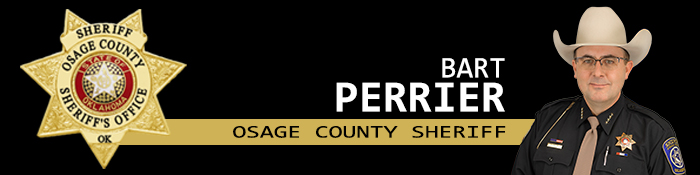
-Sheriff Bart Perrier
71 CommentsComment on Facebook


𝗚𝘂𝗻𝗳𝗶𝗿𝗲 𝗮𝘁 𝘁𝗵𝗲 𝗣𝗲𝘁𝘁𝗶𝘁 𝗗𝗮𝗻𝗰𝗲 — 𝗧𝗵𝗲 𝗟𝗶𝘃𝗲𝘀 𝗕𝗲𝗵𝗶𝗻𝗱 𝗜𝘁
In the quiet hours before dawn on Friday, June 27, 1902, word spread quickly through Pawhuska that a man had been shot dead the night before at the home of Judge Samuel Worcester S.W. Pettit. The scene had been set for anything but tragedy, an ice cream social and summer dance two miles east of town, music drifting through open windows, the Pettit home alive with neighbors, friends, and the rhythm of a community gathering. But by midnight, celebration had given way to gunfire.
𝗧𝗵𝗲 𝗡𝗶𝗴𝗵𝘁 𝗼𝗳 𝘁𝗵𝗲 𝗦𝗵𝗼𝗼𝘁𝗶𝗻𝗴
Among the guests was George E. Dickey, a 24-year-old Osage man whose life already carried the weight of controversy. A graduate of the Carlisle Indian School and a former soldier, Dickey had been drinking heavily. As the night wore on, he and Judge Pettit’s son, John, began causing a disturbance inside the house.
Pettit, a man known for strict order—especially under his own roof—put an end to it. He ordered both young men to leave. That should have ended the matter. It did not. Dickey returned, anger sharpened by alcohol, this time armed. According to witness accounts, he opened fire toward Pettit. One bullet struck the judge in the abdomen, causing a non-fatal wound. Before Dickey could fire again, Pettit’s sons, Andrew and George, rushed him and forced him back outside. What happened next remains contested.
Moments later, Pettit himself went outside. Words were exchanged—whether threats, curses, or warnings are unknown. Pettit raised his weapon and fired. Dickey was struck four times. How Dickey moved from the porch to a point roughly 100 yards away remains unclear. Witness accounts differ. What is certain is that George Dickey died that night.
To some in the community, the shooting was justified—an act of self-defense by a wounded man protecting his home. To others, it was unnecessary, the fatal result of a volatile confrontation fueled by alcohol and pride.
After the shooting, Pettit left Pawhuska and traveled to Cleveland, Oklahoma. He was later arrested in Pawnee by U.S. Marshal Wiley Haines, released on a $7,500 bond, and eventually stood trial. A jury acquitted him.
𝗚𝗲𝗼𝗿𝗴𝗲 𝗗𝗶𝗰𝗸𝗲𝘆’𝘀 𝗧𝗿𝗼𝘂𝗯𝗹𝗲𝗱 𝗣𝗮𝘀𝘁
George Dickey’s death closed a life already marked by instability. After the Spanish-American War, he enlisted in the U.S. military but later deserted. He was captured by Sam Hartzell, marshal at Elgin, Kansas, and sentenced to the federal penitentiary at Fort Leavenworth.
After serving his sentence, Dickey returned to the Osage Reservation. The events at the Pettit home would become the final chapter of his life—written in gunfire on a summer night.
𝗧𝗵𝗲 𝗝𝘂𝗱𝗴𝗲: 𝗦𝗮𝗺𝘂𝗲𝗹 𝗪𝗼𝗿𝗰𝗲𝘀𝘁𝗲𝗿 “𝗦.𝗪.” 𝗣𝗲𝘁𝘁𝗶𝘁
To understand the man at the center of the killing, one must look far beyond that June evening. Samuel Worcester Pettit was born in 1845 into both Osage and Cherokee lineage—an uncommon intersection of two nations long divided by history and conflict. He was an original Osage allottee, listed as S.W. Pettit, Roll No. 1777, Allotment No. 1661. By birth, Pettit could have claimed citizenship in either nation. He chose the Osage, honoring the bloodline that came through his mother.
During the Civil War, Pettit served three years in the Confederate Army with a Cherokee regiment, fighting largely in Indian Territory. The war hardened him. In the years that followed, he became widely read, widely traveled, and intensely opinionated—a man shaped by conflict and authority.
His leadership eventually carried him into Osage tribal politics, where he was elected Supreme Judge. Pettit ruled with confidence and intensity, earning a reputation as a man “always ready to take a hand in a scrap”—a phrase that captured both his willingness to argue and his readiness for physical confrontation.
Friends later described him as honorable, but quick-tempered—especially when alcohol entered the picture. The events of 1902 would cement that reputation.
𝗠𝗮𝗿𝗶𝗮 “𝗠𝗶-𝗧𝘀𝗶-𝗞𝗲” 𝗝𝗮𝗺𝗲𝘀 𝗣𝗲𝘁𝘁𝗶𝘁 — 𝗔 𝗟𝗶𝗳𝗲 𝗼𝗳 𝗦𝘂𝗿𝘃𝗶𝘃𝗮𝗹
Much of Pettit’s resilience—and perhaps his contradictions—can be traced to his Osage mother, Maria “Mi-Tsi-Ke” James Pettit.
Born around 1810, Maria’s earliest years unfolded amid violent conflict between the Osage and Cherokee over hunting grounds. At approximately two years old, she was captured during a raid led by Cherokee warriors under Chief Blackcoat.
Initially adopted and treated kindly, her fate took a darker turn when a white man convinced the chief to let him and his wife take the child. His intent was not adoption but profit—he planned to sell her into slavery in New Orleans.
The plan unraveled when his boasts reached the wrong ears. Word spread, and Arkansas Territory Governor James Miller ordered the child’s immediate rescue. She was taken to Dwight Mission, a Presbyterian mission school near present-day Marble City. There, a teacher named Mrs. Stetson gave her the name Maria James.
Maria was educated, later becoming a teacher at the mission herself—an extraordinary achievement for a Native woman of the era. She married William Pettit, a Cherokee man, and together they had two children: Samuel Worcester and Julia.
After her husband’s death, Maria returned to Dwight Mission to ensure her children were educated, raising them in an environment of discipline, faith, and learning. In 1884—more than sixty years after her capture—she was reunited with surviving members of her Osage family. She moved to Pawhuska, reconnecting with the culture taken from her childhood. She died on August 9, 1887, and is buried in the Pawhuska City Cemetery.
Dwight Mission superintendent John M. Robe later wrote:
“𝘐𝘧 𝘰𝘶𝘳 𝘮𝘪𝘴𝘴𝘪𝘰𝘯 𝘩𝘢𝘥 𝘢𝘤𝘤𝘰𝘮𝘱𝘭𝘪𝘴𝘩𝘦𝘥 𝘯𝘰𝘵𝘩𝘪𝘯𝘨 𝘦𝘭𝘴𝘦, 𝘵𝘩𝘦 𝘭𝘪𝘧𝘦 𝘢𝘯𝘥 𝘤𝘩𝘢𝘳𝘢𝘤𝘵𝘦𝘳 𝘰𝘧 𝘔𝘢𝘳𝘪𝘢 𝘸𝘰𝘶𝘭𝘥 𝘩𝘢𝘷𝘦 𝘫𝘶𝘴𝘵𝘪𝘧𝘪𝘦𝘥 𝘪𝘵𝘴 𝘸𝘰𝘳𝘬.”
𝗧𝗵𝗲 𝗝𝘂𝗱𝗴𝗲’𝘀 𝗙𝗶𝗻𝗮𝗹 𝗬𝗲𝗮𝗿𝘀
Following the Dickey shooting, Pettit remained a prominent—if often debated—figure in Osage County. He later moved to Hominy during its early development and invested in the town’s growth, continuing to exert influence on civic life.
On September 25, 1919, while visiting Oklahoma City to see Woodrow Wilson, Pettit suffered sudden heart failure in his hotel room on Broadway. He was 74 years old. His body was returned to Pawhuska for burial.
𝗔 𝗟𝗲𝗴𝗮𝗰𝘆 𝗼𝗳 𝗖𝗼𝗺𝗽𝗹𝗲𝘅𝗶𝘁𝘆
The events of June 26, 1902, cannot be understood without the lives behind them. Judge Samuel Worcester Pettit was shaped by two nations, by war, by tribal authority, and by personal pride. His mother, Maria “Mi-Tsi-Ke” James Pettit, endured capture, displacement, and cultural loss—yet became an educator and a bridge between worlds.
Together, their stories reflect the broader story of Indian Territory itself: conflict and survival, justice and violence, honor and consequence—and how all of it can converge in a single night that forever alters a community.
6 CommentsComment on Facebook


𝐅𝐎𝐑 𝐈𝐌𝐌𝐄𝐃𝐈𝐀𝐓𝐄 𝐑𝐄𝐋𝐄𝐀𝐒𝐄
𝐅𝐞𝐛𝐫𝐮𝐚𝐫𝐲 𝟐𝟕, 𝟐𝟎𝟐𝟔
𝐒𝐤𝐢𝐚𝐭𝐨𝐨𝐤 𝐌𝐚𝐧 𝐀𝐫𝐫𝐞𝐬𝐭𝐞𝐝 𝐨𝐧 𝐌𝐮𝐥𝐭𝐢𝐩𝐥𝐞 𝐅𝐞𝐥𝐨𝐧𝐲 𝐂𝐡𝐚𝐫𝐠𝐞𝐬 𝐑𝐞𝐥𝐚𝐭𝐞𝐝 𝐭𝐨 𝐂𝐡𝐢𝐥𝐝 𝐒𝐞𝐱𝐮𝐚𝐥 𝐀𝐛𝐮𝐬𝐞 𝐌𝐚𝐭𝐞𝐫𝐢𝐚𝐥
OSAGE COUNTY, OK — In the early morning hours of February 27, 2026, the Osage County Sheriff’s Office executed a search warrant and arrest warrant at a residence west of Skiatook in Osage County.
As a result of the investigation, Logan Patrick Roberts, 19, was arrested on the following felony charges:
Count 1: Child Sexual Abuse Material – Buying, Possessing, or Procuring
Count 2: Distribution of Obscene Material or Child Sexual Abuse Material
Count 3: Violation of the Oklahoma Computer Crimes Act
In January 2026, the Osage County Sheriff’s Office received an Internet Crimes Against Children (ICAC) tip from the Tulsa County Sheriff’s Office identifying Roberts as a subject possibly involved in the possession and/or distribution of child sexual abuse material.
Following weeks of extensive investigation, probable cause was established, resulting in both a search warrant and arrest warrant. On February 27, 2026, deputies executed the warrants at the suspect’s residence.
Roberts was taken into custody without incident and transported to the Osage County Jail. He is currently being held on a $150,000 bond. The investigation is ongoing to identify possible additional victims or crimes associated with this complex investigation.
The Osage County Sheriff’s Office would like to thank the Tulsa County Sheriff’s Office for their assistance and cooperation during this investigation.
This is an arrest, not a conviction.
110 CommentsComment on Facebook